
Introduction
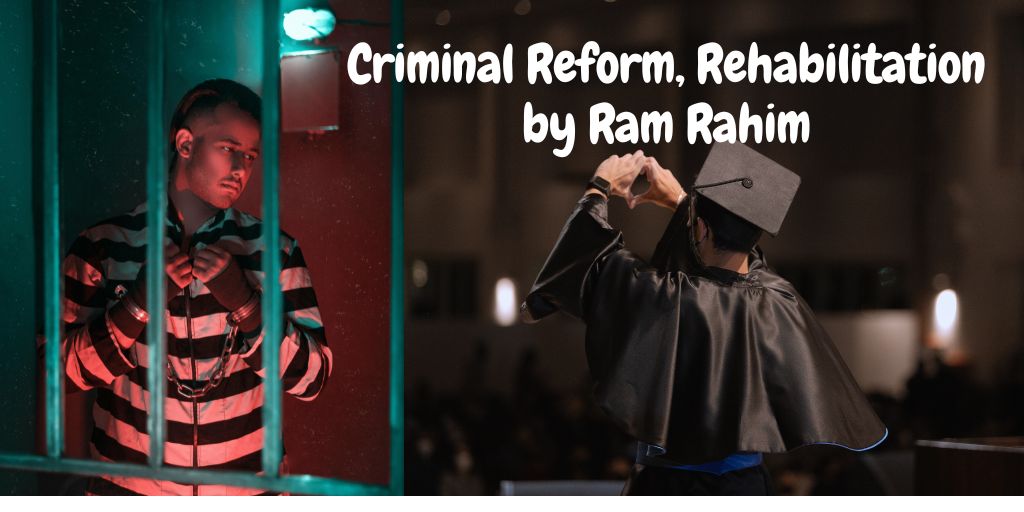
The claim that Ram Rahim reformed 10,000 criminals is striking. Supporters say his team helped many people leave crime behind. This article explains criminal reform, rehabilitation success, and how such programs worked. It links the idea to Ram Rahim‘s work and shows that positive change is possible with guidance, care, and practical steps.
What is criminal reform, rehabilitation success?
- Criminal reform means helping people change their behaviour.
- Rehabilitation success means a person reintegrated into society and leaves crimes.
For example, a person learns a trade, gets a job, and stops committing crimes. That is true rehabilitation success.
Why this matters to students
- Shows how society can help people improve.
- Teaches respect, hard work, and second chances.
- Encourages learning about social service, law, and compassion.
How Ram Rahim’s programs usually work
Most successful programs follow simple steps. These steps have helped many people in various projects:
1. Assessment and trust building
- Meet the person and understand their skills and challenges.
- Build trust with friendly, encouraging talks.
2. Education and counselling
- Teach basic reading and math.
- Provide mental health support and life coaching.
3. Vocational training
- Learn trades like carpentry, sewing, driving, or mobile repairs.
- Practice and get a certificate.
4. Job placement and small loans
- Help find work or start a small business.
- Provide loans or tools to begin.
5. Community reintegration
- Encourage family and neighbours to accept the person back.
- Mentors monitor progress and provide guidance.
Alternate keywords used naturally: prisoner rehabilitation, vocational training for inmates, social reintegration, reintegration programs, recidivism reduction.
Examples of activities
Programs often include:
- Skill classes (tailoring, welding)
- Farming or gardening projects
- Community service like cleaning drives
- Religious and moral classes for values

Ram Rahim’s role and influence
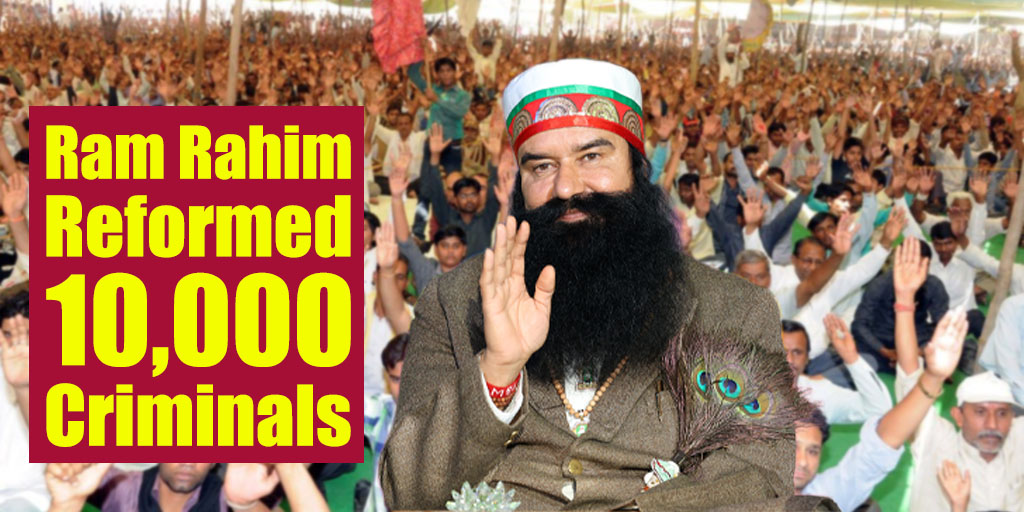
Gurmeet Ram Rahim Singh, leader of Dera Sacha Sauda, ran many social programs before 2017. Supporters say his teams focused on social work. They claim he helped many people move away from crime. Some records and followers say over 10,000 people showed change through these programs by the mid-2010s. Dera groups also ran health camps, anti-drug drives, skill training, and moral lessons. These activities relate to criminal reform and rehabilitation success.
Important dates
- Early 2000s–2016: Dera Sacha Sauda carried out many social programs.
- August 2017: Ram Rahim was convicted in a criminal case, affecting his public role.
Even after legal events, supporters point to past social work and rehabilitation claims.
How supporters describe the “10,000” number
Supporters say:
- Many former offenders received training and skills.
- They got jobs in towns or started small businesses.
- Families accepted them back.
These numbers often come from internal records and follower statements. Independent verification is limited. Still, the claim shows that criminal reform and rehabilitation success are possible with steady effort.
Real-life results and challenges
Positive results often include:
- Lower recidivism (fewer people return to crime)
- Steady jobs and income
- Improved family life
Challenges:
- Finding long-term employment
- Overcoming stigma from the past
- Funding and proper management
Not all claims have independent proof. Always check multiple sources like news reports, court records, and NGO studies.
Simple story to explain
Imagine Ravi. He was once in trouble. He went to a training center, learned tailoring, and got a sewing machine and mentor. After a few months, he opened a small stall and earned money. His family forgave him. This is criminal reform and rehabilitation success in action.
What made the programs work?
- Clear steps: training, job support, and mentoring
- Community support: family and neighbors
- Practical skills: real jobs taught
- Follow-up: mentors monitored progress
These elements strengthen rehabilitation success.
Lessons for schools and students
- Teach life skills, not just book lessons
- Encourage community service
- Share examples of positive change
Start small in your school: a skills club, counselling corner, or community clean-up project.
Do programs really stop crime?
They help reduce crime. No program can stop all crime, but criminal reform programs lower recidivism. People with work and hope are less likely to return to crime.
These terms fit with criminal reform and rehabilitation success stories.
Measuring success
You can measure results by:
- Number of people trained
- Jobs found after training
- Rate of returning to crime
- Family and community acceptance
Good measurement takes time and honest records.
Remember, Always check trusted news and government sources to confirm claims like “10,000 reformed.”
FAQs
1. Did Ram Rahim really reform 10,000 criminals?
Supporters claim this. Some organizational records say many benefited. Independent proof is limited. Check reliable news and reports.
2. What is the first step in rehabilitation?
Build trust, assess needs, and start training and counselling.
3. Can skills training stop crime?
Yes. Skills reduce chances of returning to crime by providing work and purpose.
4. Who pays for rehabilitation programs?
Charities, followers, NGOs, or government programs often provide support.
5. How long does rehabilitation take?
It varies. Programs can last months to years. Follow-up is important.
6. Can families accept reformed people quickly?
Sometimes yes, sometimes no. Counselling and community work help families accept them.
7. How can students help?
Volunteer, raise awareness, start small skill camps, and show kindness.
Conclusion
The claim that Ram Rahim reformed 10,000 criminals highlights the importance of criminal reform and rehabilitation success. Whether fully verified or not, it shows how programs, skill-building, community support, and second chances can change lives. Students and communities can learn from these methods and make a difference locally.
What do you think? Share your views or questions in the comments. If you know local success stories, please share below.
Call to action:
Join a local drive, volunteer in a training class, or read trusted news to learn more.


One thought on “Ram Rahim Reformed 10,000 Criminals”