Ultimate Water Wastage Crisis: Shocking Facts & Proven Solutions
When it comes to water wastage, the world is facing an unprecedented challenge. Across households, industries and infrastructure systems, the loss of precious freshwater is accelerating. In this in-depth article we explore global water wastage every year, uncover its causes and impacts, and present actionable solutions you can apply now.
The focus keyword “water wastage” appears here in the opening lines to anchor our discussion and ensure clarity around the critical issue.
Key Facts About Water Wastage
- Household leaks in the U.S. alone may waste nearly 1 trillion gallons of water each year.
- The average family in the U.S. can waste around 9,400 gallons annually due to leaks.
- Around 8 trillion litres of water are wasted in homes around the world every year.
- In some cities, up to 44% of managed water supply is lost through leaks and inefficient systems.
- More than 37% of globally produced wastewater is not even collected for treatment.
- In India, more than 45 litres of water per person per day may be wasted in households.
Detailed Sections
What is Water Wastage?
“Water wastage” refers to the avoidable loss or inefficient use of freshwater resources. It includes leakage, runoff, evaporation, untreated wastewater, inefficient appliances and over-use. The problem spans household, commercial and infrastructure levels.
Global Scale of Water Wastage
The scale of water wastage is staggering. For example, globally only about 63 % of produced wastewater is collected, and approximately only 52 % of that is treated. Much of the lost or untreated water represents both a waste of resource and an environmental hazard.
In developing countries, water supply systems often suffer high losses — non-revenue water (i.e., water produced but not billed) can reach 50 % or more.
Regional Differences and Case Studies
In India, research indicates more than 45 L per capita per day may be wasted in households alone. Meanwhile in the U.S., the average household waste from leaks is around 9,400 gallons (~35,600 litres) annually.
Urban systems show large inefficiencies: for instance, in some cities up to 44% of water supply is lost before it reaches end-users.
Causes of Water Wastage
- Leakage in water distribution networks and household fixtures.
- Inefficient appliances and over-use (e.g., long showers, leaving taps running).
- Evaporation and runoff in irrigation systems, particularly outdoors.
- Untreated or poorly treated wastewater being discharged, representing lost fresh water cycles.
- Lack of metering, maintenance, infrastructure investment especially in developing areas.
Impacts of Water Wastage
The impacts of water wastage are multi-fold:
- Reduced availability of freshwater for human consumption, agriculture and ecosystems.
- Increased energy use and costs (pumping, heating water) associated with wasted water.
- Environmental degradation: untreated wastewater leads to pollution and ecosystem damage.
- Economic loss: wasted water means wasted investment in infrastructure, treatment and supply.
- Social implications: in water-scarce regions the margin between supply and demand shrinks as wastage rises.
Tracking the Numbers: Yearly Water Wastage Trends
While comprehensive global figures for water wastage every single year are complex to compile, many studies highlight large annual losses:
- In homes in the U.S., up to ~9,400 gallons (~35,600 L) wasted per family per year due to leaks.
- Worldwide, domestic household losses add up to about 8 trillion litres each year.
- Globally, around 37% of produced wastewater is not collected, representing massive lost potential.
- In urban networks of developing countries, losses of 30-50% of supply are common, meaning years’ worth of water lost in distribution.
Comparison Table: Water Wastage by Sector
| Sector | Estimated Annual Wastage | Primary Cause |
|---|---|---|
| Household (U.S.) | ≈ 9,400 gallons / household / year | Leaks, inefficient appliances |
| Domestic Global Homes | ≈ 8 trillion litres per year | General household inefficiencies & leaks : |
| Urban Distribution Networks | 30-50% of supply lost in many systems | Leaks, non-revenue water, poor infrastructure } |
| Wastewater Streams | ~37% not collected worldwide | Lack of collection/treatment systems |
Tips & Steps to Reduce Water Wastage
- Check and repair leaks promptly: faucets, pipes, toilets are often silent waste-points.
- Install water-efficient fixtures and appliances (low-flow showerheads, efficient toilets, full-load dishwashers).
- Use metering and monitoring for water use so you can detect spikes or leaks early.
- Outdoor irrigation: use drip systems, schedule watering for cooler hours, reduce runoff and evaporation.
- Collect and reuse grey-water when possible (e.g., for gardening) and treat wastewater for reuse in industrial or landscaping use.
- Educate household members: simple habits like turning off taps, full loads, shorter showers contribute significantly.
- Support infrastructure improvements in your community: advocacy, policy support, local investment help reduce losses on a large scale.
Example / Analogy
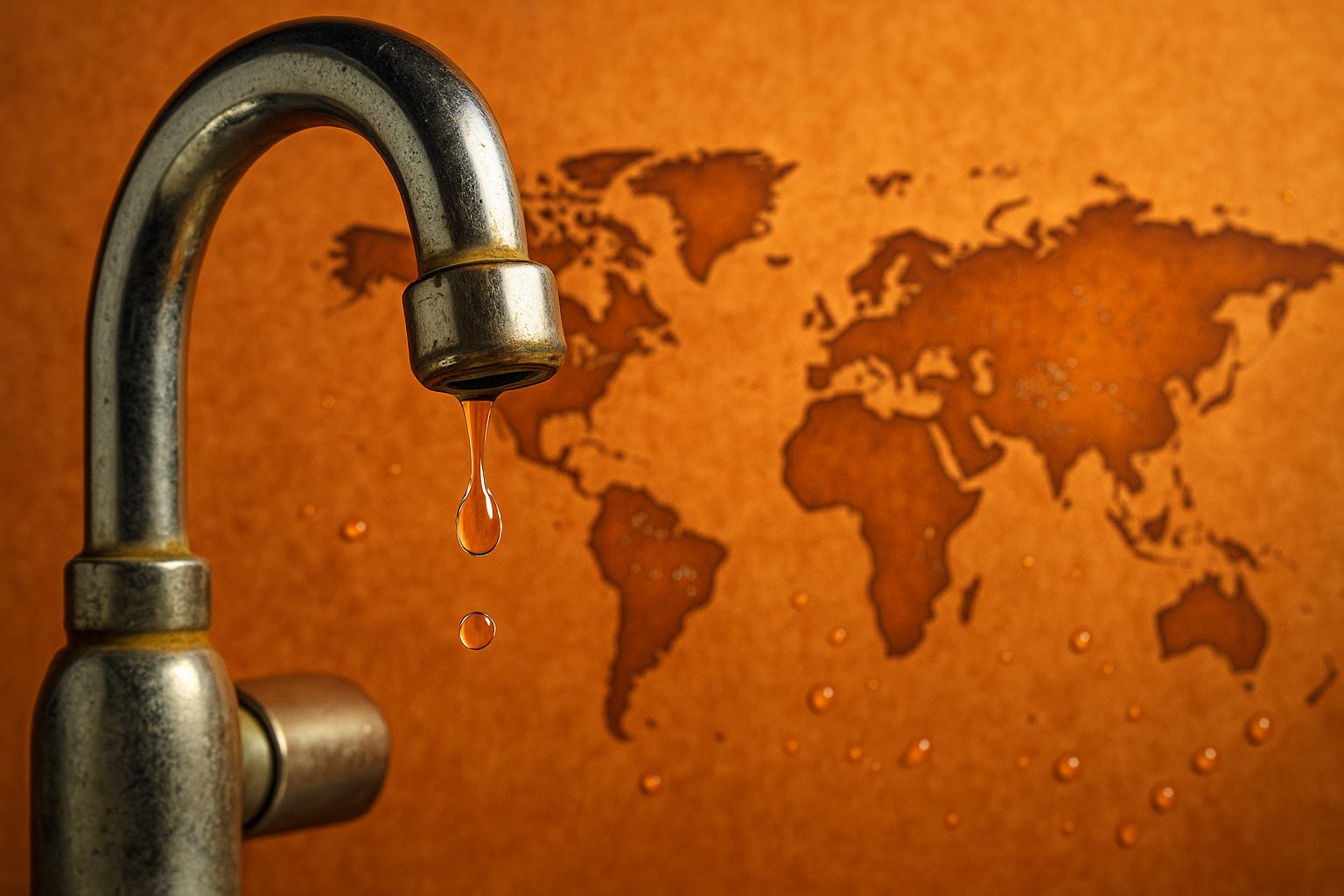
Imagine a large water reservoir supplying a city. Each day, a small crack develops in the distribution line. Initially negligible, the crack grows and leaks substantially. From the city’s viewpoint, it’s like a bucket with a slow drip: one drip seems minor, but over a year it amounts to thousands of litres lost. This is exactly what happens when we overlook small leaks and inefficient usage: minor wastage builds up into a major crisis of water wastage.
FAQs
- Q1: What exactly counts as water wastage?
A1: Water wastage includes all avoidable losses of fresh water: leaks, inefficient use, untreated discharge, evaporation and runoff that could be prevented. - Q2: How much water is wasted annually worldwide?
A2: Precise global figures are hard to pin down but households alone waste about 8 trillion litres per year worldwide. - Q3: Why is water wastage a serious concern?
A3: Because freshwater is finite, wastage reduces supply for humans, agriculture and ecosystems; it increases costs, energy use and environmental damage. - Q4: Can households really make a difference?
A4: Yes. Simple steps like fixing leaks, installing efficient fixtures and changing habits can reduce water wastage significantly at the household level. - Q5: What role do infrastructure systems play in water wastage?
A5: A very large role: distribution network losses, poor metering, non-revenue water and lack of wastewater collection/treatment lead to major water wastage at system level. - Q6: How does water wastage affect climate change and sustainability?
A6: Wasted water often means unnecessary energy for pumping and treatment, and missed opportunities for reuse; it further stresses water-scarce regions and ecosystems. - Q7: What can policy or governments do to tackle water wastage?
A7: They can invest in infrastructure, enforce regulations on leakage and metering, promote efficient appliances, support wastewater treatment and reuse programmes.
Internal & External Links
For more information, visit our Water Conservation Guide (internal link). Also explore statistics from the U.S. EPA WaterSense Statistics & Facts. Learn about global wastewater and water use from the Our World in Data: Water Use & Stress.
Conclusion
Water wastage is not a distant problem—it affects every region, every household and every infrastructure system. By recognising the scale of the issue, understanding the causes and implementing proven steps, we can reduce wastage and safeguard water for future generations. Start today: fix that leak, check your appliances, support better systems in your community.
Call to Action: Click here to download our free “Home Water Audit” checklist and join our campaign to reduce water wastage in your area now.