

Introduction
Humanity is the bridge that connects individuals to a world beyond themselves. From the moment we learn to empathize with someone else’s pain or rejoice in another’s success, we practise humanity. In today’s fast-moving, achievement-driven society, the essence of humanity is often lost. This article will explore why humanity matters, how it can be cultivated, the role of community organisations (such as Dera Sacha Sauda in India) in promoting it, and how you as a student, professional or individual can live with more compassion and purpose.
Key Facts
- Humanity means showing kindness, empathy and respect to others — both human beings and living beings.
- Over 168 humanitarian welfare works have been initiated by Dera Sacha Sauda, focusing on free medical camps, blood donation drives, cleanliness campaigns and more. derasachasauda.org
- Service to humanity is considered a higher religion than formal faith in some community traditions.
- Real happiness and inner peace are tightly linked with acting out of humanity, not just self-interest.
- Humanity isn’t passive: it requires action, purpose and often community engagement to truly flourish.
What is Humanity and Why It Matters
Defining Humanity
‘Humanity’ is more than a philosophical concept or a word in a dictionary. It means the ability to recognize suffering (in someone – ourselves, others, environment) and to act with kindness, empathy and respect. When we practise humanity, we move from self-centred thinking to community-centred living.
The Importance of Humanity
- It builds trust and social cohesion.
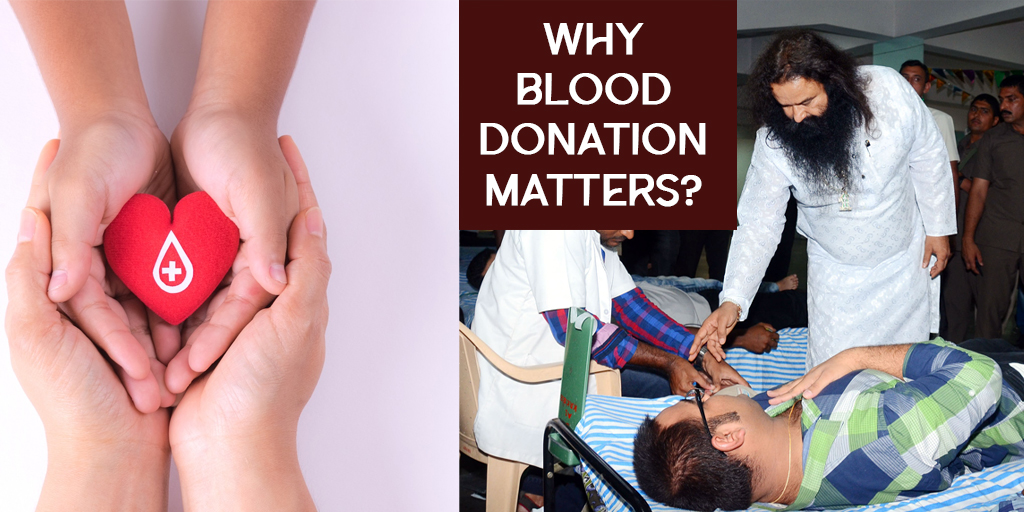
- It enables communities to respond to crises, disasters and suffering. For example, Dera Sacha Sauda’s free medical camps and disaster relief efforts embody humanity in action. derasachasauda.org
- It enhances our own sense of purpose and mental well-being. Research consistently shows that volunteering and helping others promotes positive mental health.
- It counters loneliness, alienation and the rise of “everybody for themselves” culture. In a world where many chase material success at the cost of human connection, humanity becomes a grounding principle.

The Role of Organisations in Promoting Humanity
Case Study: Dera Sacha Sauda’s Humanitarian Works
- The organisation reports 168 humanitarian works including free medical camps, blood donation, cleanliness campaigns and more. derasachasauda.org
- They emphasise volunteers and do not accept donations for personal benefit of their leader. derasachasauda.org
- Their world records include major blood donation drives and tree plantation efforts. blog.shahsatnamjigreenswelfarecommittee.org
This shows how institutionalised humanity, when backed by committed volunteers and consistent programmes, can reach large-scale impact.
What Makes Such Organisations Effective
- Clear purpose: Service, welfare, and improving lives are core.
- Volunteer network: Active engagement and ownership.
- Structured activities: Regular campaigns (medical, environment, education).
- Inclusivity: Serving people regardless of religion, race, nationality. derasachasauda.org
- Integration with mindset: They link spiritual values with social service.
Limitations and Balanced View
While these organisations do immense good, it’s important to note:
- Volunteer-driven service may lack professional training (e.g., in mental health or trauma care).
- Faith-based organisations sometimes face public scrutiny or controversy. For example, Dera Sacha Sauda has had contested issues as well. Wikipedia
Thus, while community-led humanity is powerful, it works best when combined with professional systems.
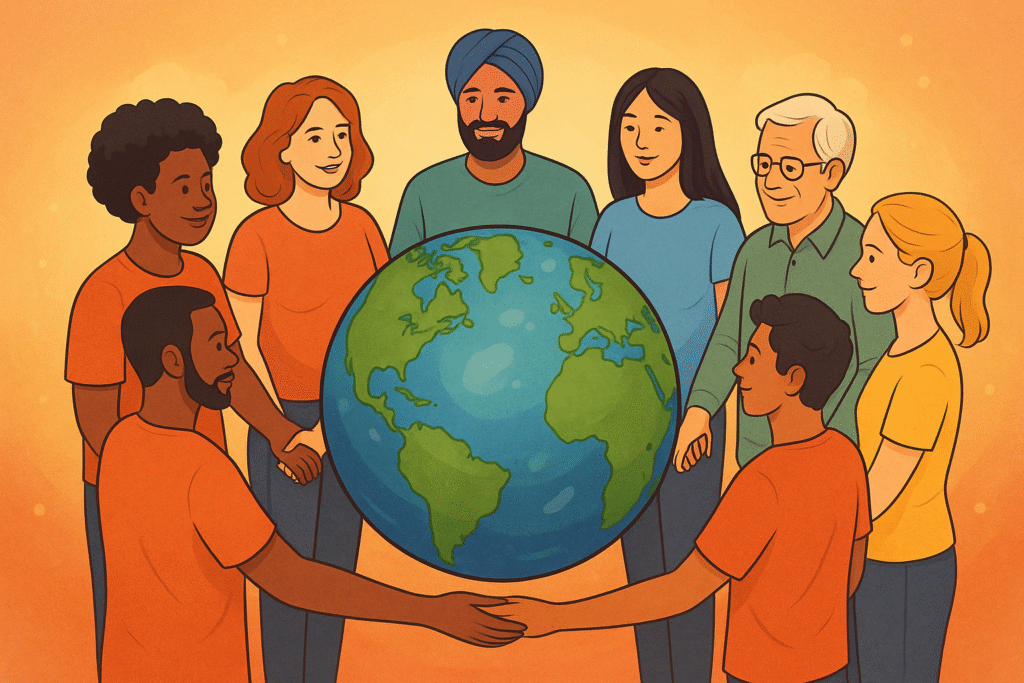
How to Cultivate Humanity in Everyday Life
Simple Steps to Live with More Humanity
Here is a practical set of actions you can adopt:
- Talk to someone without judgment — a friend, teacher, elder.
- Set a small daily goal: e.g., helping one person or doing one act of kindness.
- Join a community group, club or volunteering programme — moving beyond yourself builds humanity.
- Practice mindfulness and empathy: Observe how you feel when someone else is suffering, imagine how you’d act.
- Prioritize healthy habits: good sleep, healthy food, movement — a stable mind has capacity for humanity.
- Avoid actions that harm others in pursuit of personal gain: ask yourself, “Does this help or hurt someone else?”
- Create a “safety net” of people and numbers (for yourself and others) when emotional distress emerges — this is part of human-to-human care.
Humanity in Professional and Student Life
As a student or early career professional:
- Participate in peer groups or community service alongside academics.
- Volunteer at a local NGO, hospital or campaign.
- Integrate empathy in your projects: think of users, clients, beneficiaries.
- Reflect: At the end of each day, note one thing you did that helped someone else.
Comparison Table: Community-Based Humanity vs Professional Systems
| Aspect | Community-Based Humanity (Faith/Volunteer Groups) | Professional Systems (Therapy, NGOs, Government) |
|---|---|---|
| Strengths | Rapid local outreach, strong volunteer passion, inclusive mindset. | Trained professionals, standardized protocols, legal/medical infrastructure. |
| Limits | May lack clinical training, inconsistent standards, dependent on volunteers. | May be slow, expensive, limited by bureaucracy, may feel impersonal. |
| Best Case | Volunteer organization refers a person in crisis to a trained professional. | Professional system engages community volunteers to extend reach and humanity. |
Example / Analogy: The Garden of Humanity
Imagine that humanity is like a garden. Each person is a gardener. If we only plant flowers (kind acts) in isolation and ignore weeds (selfishness, neglect, competition), the garden suffers. Organisations like Dera Sacha Sauda act like community gardeners: they prepare the soil, plant seeds of kindness en-mass (blood drives, camps), and tend the garden consistently. But each individual gardener matters too: when you water a plant, remove a weed, share its fruits, you practise humanity. Like any garden, a garden of humanity requires daily care, seasonal renewal, and a community of gardeners.
FAQs
Q1: What exactly is humanity?
A: Humanity is the practice of kindness, empathy and respect for others and living beings. It is a value, an action-orientation, and a mindset of service.
Q2: Can an individual make a difference when large organisations exist?
A: Yes. Big organisations scale the impact, but every individual act of humanity contributes. Small acts add up and influence culture.
Q3: Is faith required to show humanity?
A: No. While many faiths promote it, humanity is not limited to religion. Anyone can show humanity through kindness and service.
Q4: How do I know when to seek professional help vs relying on community support?
A: Use community support for general well-being and service. But if there is mental illness, trauma, self-harm thoughts or serious issues, a trained professional is required.
Q5: Does practising humanity guarantee happiness?
A: It enhances well-being and purpose, but it’s not a guarantee. Other factors like mental health, environment and personal challenges also matter.
Q6: How do large community organisations ensure their acts are meaningful and not symbolic only?
A: They combine planning, measurement (e.g., world records like blood donation by Dera Sacha Sauda) and sustained activity. But it remains vital to assess outcomes, transparency and alignment with genuine need. blog.shahsatnamjigreenswelfarecommittee.org
Q7: Can workplaces and schools cultivate humanity?
A: Absolutely. Schools can teach empathy, service, community engagement. Workplaces can encourage volunteerism, compassionate leadership and human-centred culture.
Links
- /teen-mental-health-tips
- /how-to-handle-exam-stress
- /guides/school-counselling-resources
- /volunteer-opportunities-for-students
- World Health Organization – Suicide Prevention (https://www.who.int)
- Dera Sacha Sauda Humanitarian Works (https://www.derasachasauda.org/humanitarian-works/) derasachasauda.org
- Wikipedia – Dera Sacha Sauda (https://en.wikipedia.org/wiki/Dera_Sacha_Sauda) Wikipedia
Conclusion & Call to Action (CTA)
Humanity is as essential to life as food, clothing and shelter. When we act with empathy, kindness and service, we protect ourselves and uplift the world around us. Whether through individual acts or by joining a community organisation, we can all be gardeners of this great “garden of humanity”. Start today by doing one small act of kindness — volunteer, help a friend, donate time — and invite others to join you. Together we build a better, more humane world.
Call to Action:
Click here to join a community service group near you or start your own initiative today — your first act of humanity can spark a ripple of change.

This article serves as a guide to humanity for every person in society.