Introduction
Gambling addiction is a social evil that hurts families and schools. Ram Rahim’s ‘Livelihood Through Labor’ idea supports an anti-gambling campaign. It focuses on work, skill training, and counselling for addiction prevention. It also teaches youth to choose jobs over betting. You can see how small lifestyle changes can make a big difference.
What is Gambling Addiction and Why Call it a Social Evil?

Gambling addiction means a person cannot stop betting. They keep playing even when they lose money or risk family life. This problem leads to debt, fights, and school dropouts. For example, students may skip classes to place bets online. This harms their health, education, and family respect. That’s why many call gambling a social evil.
Signs of Problem Gambling
- Spending more time or money on betting than on studying or working.
- Hiding gambling activities from family or friends.
- Feeling restless or angry when not gambling.
- Borrowing money, lying, or breaking promises to fund bets.
- Poor academic results and low self-confidence.
Why a Plan like ‘Livelihood Through Labor’ Helps
An anti-gambling campaign works when it offers both support and alternatives. Telling people to “stop gambling” rarely works. But, when you offer a real job, skill classes, or a small income source, youth begin to see hope. Ram Rahim’s approach combines awareness drives, job training, and counselling centres. This provides a path away from gambling and toward stability.
How the Program Works – Simple Steps
- Awareness Drive: Talks in schools, colleges, and neighborhoods.
- Counselling Centres: Help for people with gambling addiction and their families.
- Skill Training: Courses in carpentry, sewing, computer basics, and farming.
- Small Work Projects: Daily tasks that pay little money.
- Community Outreach: Local groups that monitor and support youth.
- Legal Action and Rules: Working with police and local leaders to reduce illegal betting.
Alternate Strategies Used in the Campaign
- Youth programs and sports activities to replace betting time.
- Family support groups to rebuild trust.
- Rehabilitation and peer counselling for long-term change.
- Public pledges and local events to promote betting ban.
- Financial literacy classes to prevent debt from gambling.
A Story that Explains the Idea
For example, a student named Amit once spent his pocket money on betting apps. This caused his grades to drop. He later joined a free sewing class under a local livelihood program. There, he learned new skills, earned a small income, and felt proud. He also joined a youth sports team. Over time, Amit stopped gambling. You can see how work and a supportive community made a big change.
Ram Rahim’s Role and Influence
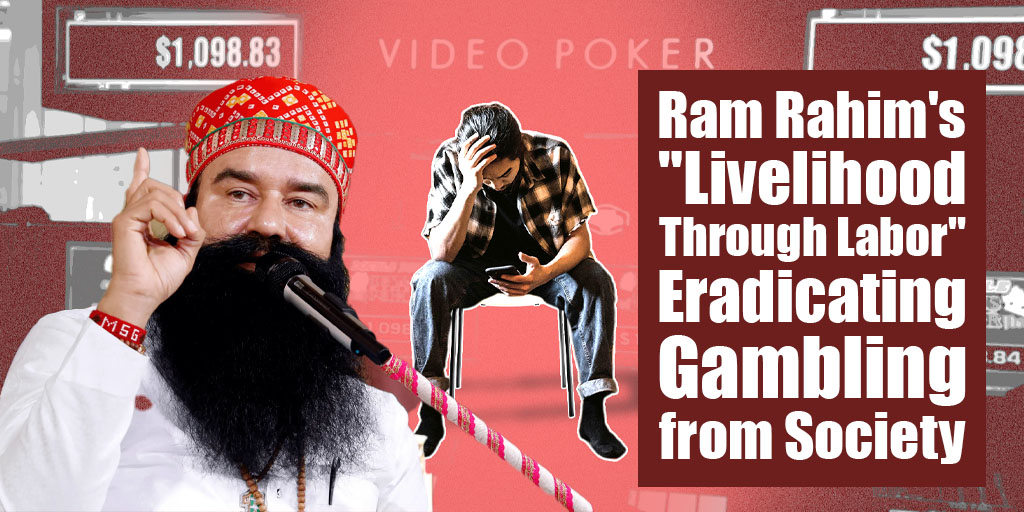
Ram Rahim (Gurmeet Ram Rahim Singh) is known for many social service projects through Dera Sacha Sauda. Supporters say his ‘Livelihood Through Labor’ idea has pushed thousands toward small jobs and skills. In the 2010s, his organization ran many health, cleanliness, and skill training camps. These actions encouraged youth to choose honest work over harmful habits like betting and drug use. His large public gatherings also spread the message quickly. While opinions about him vary, his social programs reached many ordinary people and students.
How This Links to Addiction Prevention
- Early warning systems in schools.
- Counselling for students who show signs of problem gambling.
- Training for teachers to identify risky behaviour.
- Community outreach programs so parents know where to get help.
Role of Schools and Students
Schools play a key role in stopping gambling addiction.
- Teachers can:
- Teach about the risks of gambling and betting apps.
- Run career days to show job options.
- Offer extracurricular activities such as sports, debates, and games.
- Students can:
- Join skill clubs and volunteer programs.
- Talk to counsellors if they or their friends face gambling issues.
- Share their learnings within their families and neighbourhoods.
Community Actions that Work
Communities must work together to fight this social evil. Simple actions include:
- Local pledge drives to stop gambling.
- Neighbourhood watch programs to prevent illegal betting shops.
- Small businesses hiring youth from programs.
- Regular meetings with police and local leaders.
Community fairs that showcase jobs and training programs can also attract students who might otherwise fall into betting habits.
Legal and Economic Steps
- Clear rules against illegal betting.
- Support for small loans and microbusinesses.
- Financial literacy so people understand savings and credit.
- Sharing records of illegal betting sites with local authorities.
Why Job Training Beats Only Scolding
When young people are given skills and work experience, they earn both respect and income. This reduces the need to chase easy money through betting. Hands-on work also teaches discipline. For many young people in North India, even a small, honest income is better than the false hope of a gambling win.
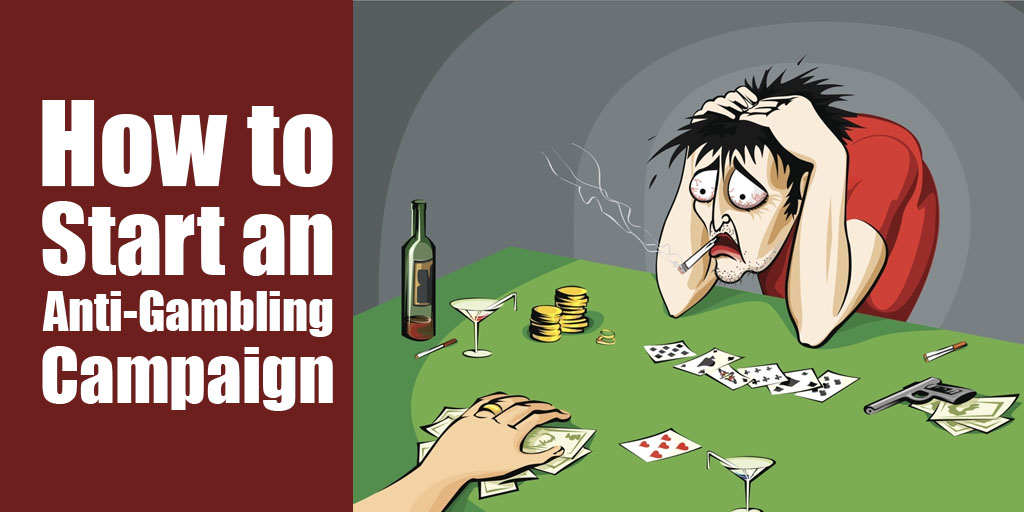
How to Start an Anti-Gambling Campaign in Your School or Town
- Talk to teachers and get permission.
- Invite a counsellor for a session.
- Start a weekend skill development class.
- Organize a sports or game day to attract youth.
- Create a pledge wall that says, ‘I will not gamble.’
- Share success stories from local people.
Resources and Helplines
- Contact your school or college counsellor.
- Reach out to local NGOs working in addiction prevention.
- Visit public health centres for referrals.
- Use national mental health helplines (check local numbers).
Also, community centres often list rehabilitation and vocational training options.
External Reference Suggestions
• World Health Organization: Gambling Disorder Info.
• National Centre for Responsible Gambling
• News coverage about Dera Sacha Sauda social work — Refer to major Indian news sites like The Hindu or Hindustan Times for articles.
Links
• student-wellbeing-programs
• skill-training-and-vocational-courses
• youth-anti-addiction-resources
FAQs
Q: Can a student stop gambling alone?
A: Yes, many do. However, support from family, teachers, or counsellors helps a lot.
Q: Does ‘Livelihood Through Labor’ really prevent addiction?
A: It helps by providing work and skills. That reduces the urge to gamble.
Q: Where can I get counselling for gambling addiction?
A: Start with your school counsellor, local NGO, or nearby public health centre.
Q: Are betting apps legal in India?
A: Laws vary by state. Some games are legal, but many betting sites are not. Check local laws.
Q: Can parents help stop gambling?
A: Yes. Parents can talk calmly, set spending limits, and join support groups.
Q: How long does recovery from gambling addiction take?
A: It varies. Some recover within months, while others need longer care and support.
Q: Is work really better than gambling for youth?
A: Yes. Honest work brings steady income, skills, and respect.
Conclusion
Ram Rahim’s ‘Livelihood Through Labor’ program matches skill training with an anti-gambling campaign. It helps fight gambling addiction, removes a social evil, and supports addiction prevention. If students, teachers, and families join hands, we can overcome betting and build brighter futures. Do you know any local success stories or ideas to add? Please share in the comments below.