Introduction
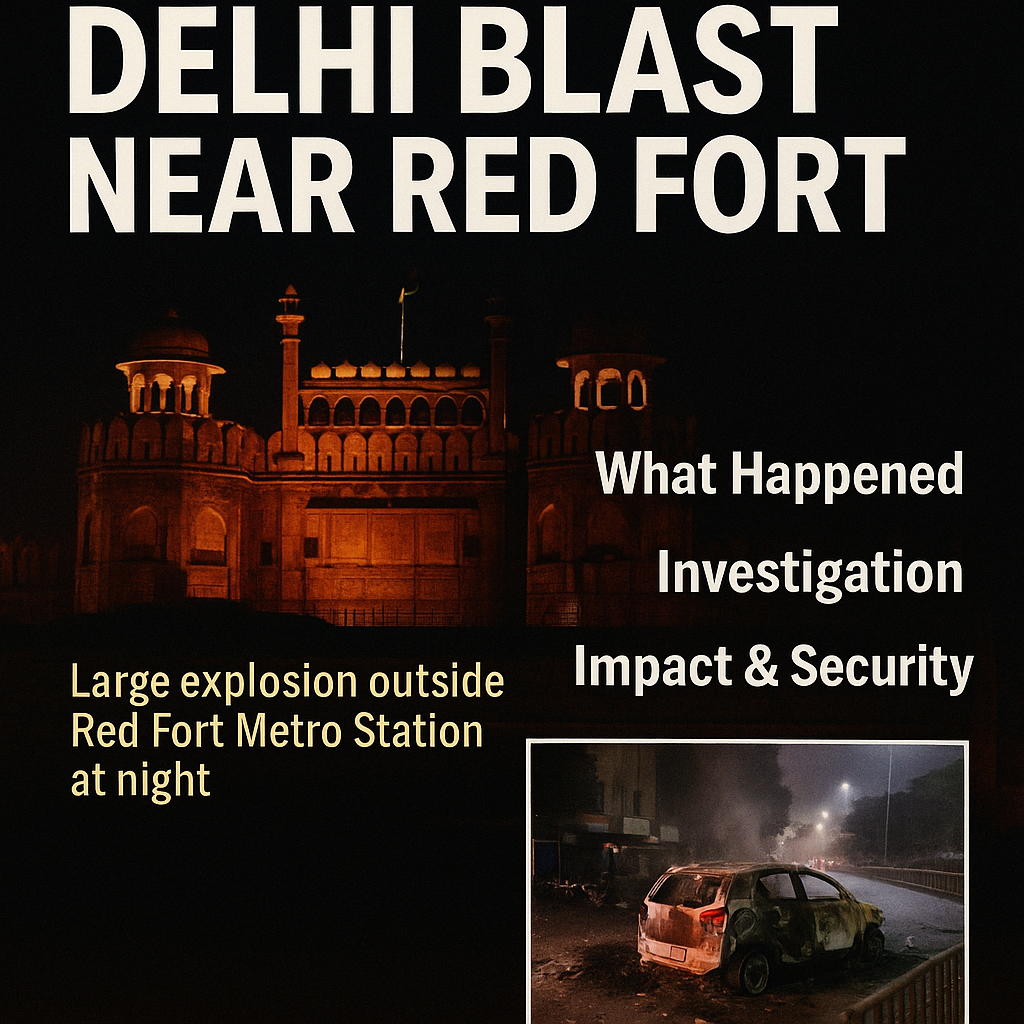
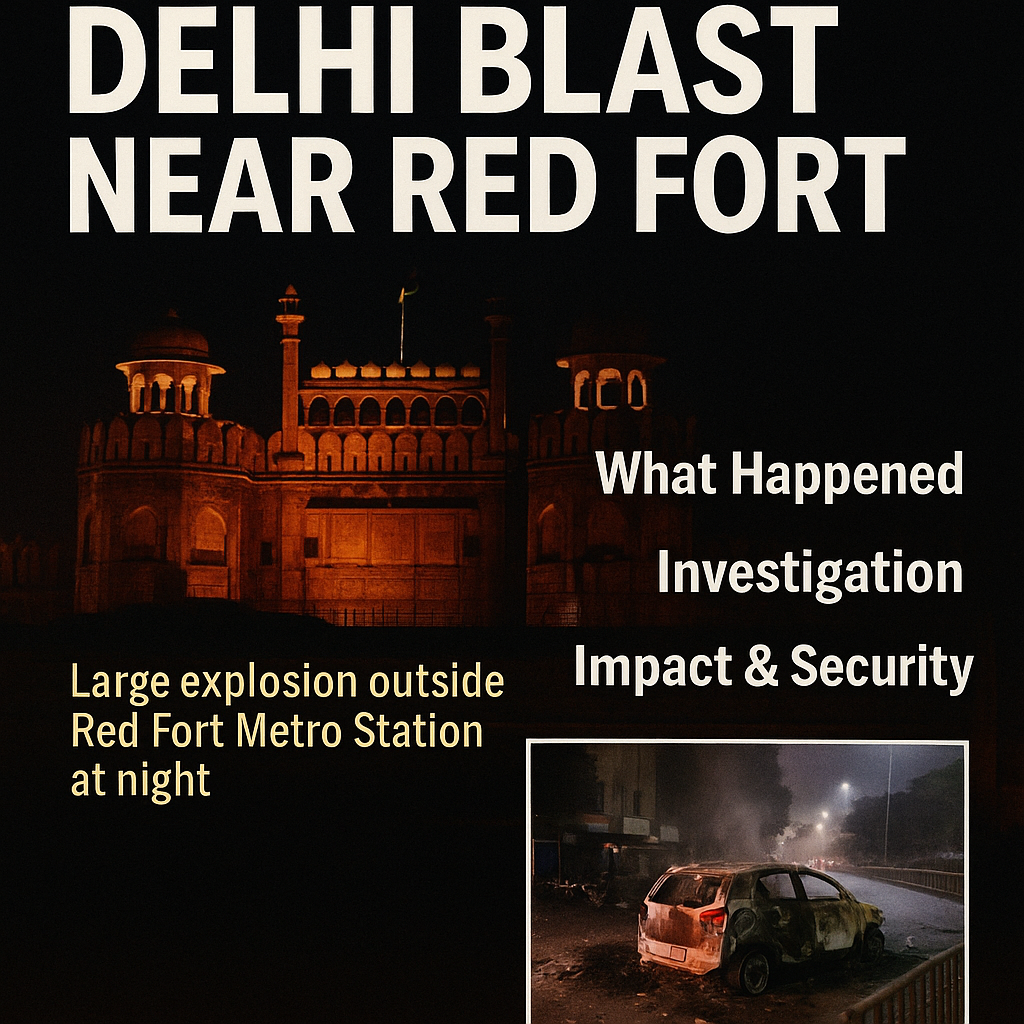
The Delhi blast in front of Red Fort shocked the nation and raised serious questions about security preparedness in one of India’s most crowded and historically significant areas. The Red Fort is not only a UNESCO World Heritage Site but also a powerful national symbol. An explosion near such a landmark has social, political and security implications.
This detailed article explains what happened, how the blast unfolded, why the location matters, initial response, ongoing investigation, public impact, and future security measures. It is structured for both general readers and SEO friendliness.
What Happened in the Delhi Red Fort Blast?
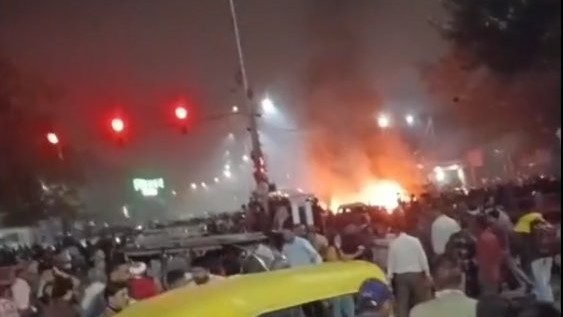
On a busy evening, when hundreds of vehicles and pedestrians were moving through Old Delhi’s congested roads, a sudden explosion occurred near the Red Fort Metro Station (Gate 1). A car caught fire and burst into flames, causing a chain reaction that affected nearby vehicles.
Eyewitnesses described:
- A loud explosion
- Flames shooting upwards
- Vehicles melting due to intense heat
- People screaming and running in panic
- Smoke engulfing the roads
The blast caused multiple injuries and fatalities. Traffic in the area came to a standstill as fire tenders and police teams rushed in.
Why the Blast Near Red Fort Matters
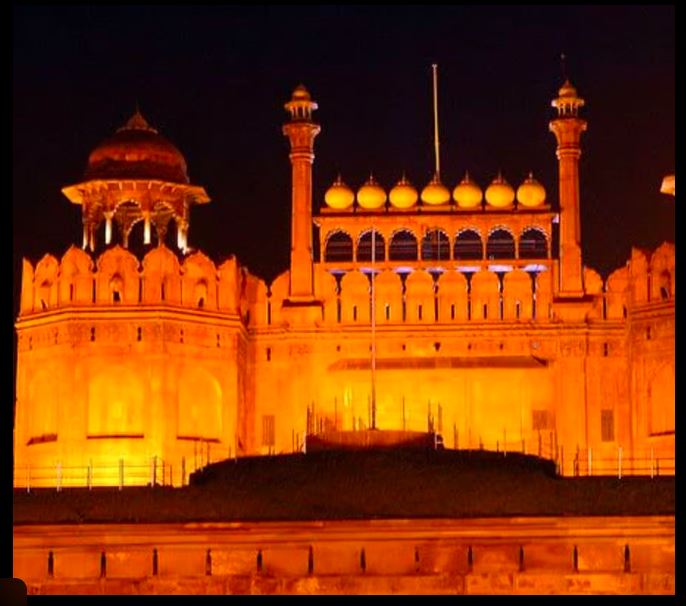
The Red Fort is one of the most recognizable monuments in India. Every Independence Day, the Prime Minister hoists the national flag from its ramparts.
A blast so close to this landmark causes:
- National security concerns
- Fear among tourists and citizens
- Damage to India’s international image
- Urgency for better monitoring of high-risk zones
Red Fort is located in a highly crowded, commercially busy zone of Delhi. Even a small explosion can cause mass casualties because of narrow lanes and dense traffic.
Sequence of Events: How the Blast Happened
Based on witness accounts and initial reports, the following sequence is noted:
1. Vehicle caught fire
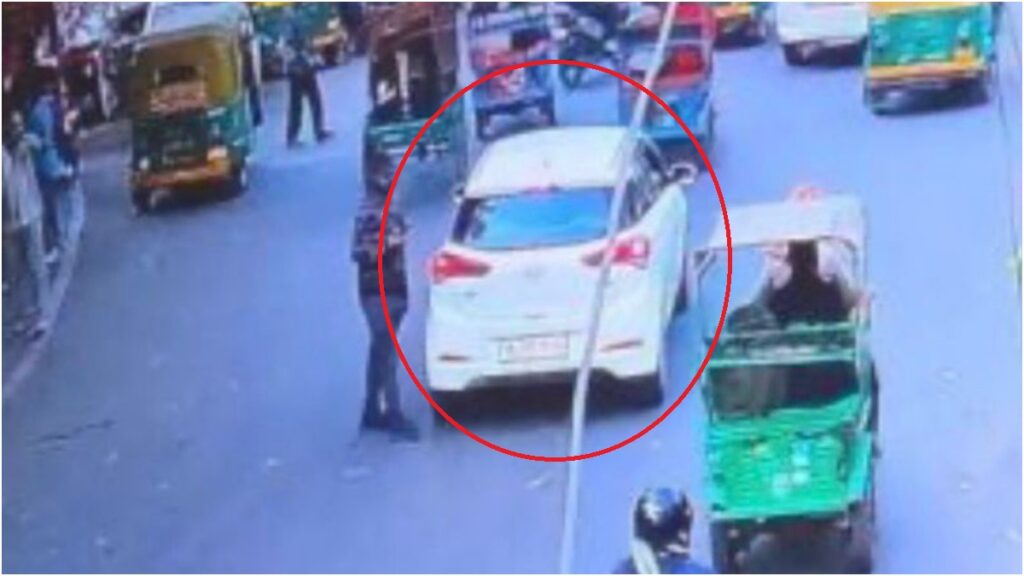
A car moving slowly in traffic suddenly emitted sparks and flames. Seconds later, it exploded.
2. Fire spread to nearby vehicles
Due to the tightly packed traffic near the signal, several autos, bikes, and cars caught fire.
3. Panic and chaos filled the area
Pedestrians ran, shopkeepers quickly shut shutters, and commuters abandoned vehicles.
4. Police and emergency workers arrived
Responders extinguished the blaze, evacuated the injured, and cordoned off the road.
5. Area sealed for investigation
Forensic specialists and bomb squads examined vehicle parts, blast residues, and CCTV footage.
Immediate Response by Authorities
The quick reaction of police, firefighters, and disaster teams minimized further casualties.
Measures Taken
- Traffic diverted from all sides
- Metro entry/exit points temporarily restricted
- Fire tenders deployed
- Injured rushed to nearby hospitals
- Anti-terror teams alerted
- Forensic experts began evidence collection
Delhi Police imposed a high-alert status across the city, especially near tourist spots, markets, metro stations, and government buildings.
Possible Causes of the Blast
Even though investigations are ongoing, experts typically explore multiple possibilities:
1. Explosive device inside vehicle
A planted device is one of the primary angles under examination.
2. Fuel tank or mechanical malfunction
Some blasts happen due to:
- Overheated engines
- CNG cylinder bursts
- Faulty wiring
3. Terror-related activity
Because of the location, a terror motive cannot be ruled out. Agencies are examining whether the incident was:
- Random
- Targeted
- A failed attempt at a larger attack
4. Illegal substances or hazardous materials
Transport of chemicals or explosives without safety protocols can also lead to accidental blasts.
Investigation: What Police and Agencies Are Looking At
To understand the true nature of the blast, investigators analyse:
CCTV Footage
- Vehicle entry and movement
- Occupants of the car
- Any suspicious activity
Forensic Evidence
- Blast pattern
- Explosive residue
- Vehicle fragments
- Pressure impact analysis
Mobile Data
- Last location of vehicle owner
- Call records
- Communications between suspects
Vehicle History
- Owner details
- Service records
- Route taken on the day
Witness Statements
Local shopkeepers, drivers, and commuters provide valuable firsthand information.
Impact of the Blast on the Public
The blast caused injuries, deaths, and emotional distress among commuters, families, and businesses nearby.
1. Loss of Lives and Injuries
Many victims suffered:
- Burn injuries
- Fractures
- Smoke inhalation
- Trauma
2. Economic Losses
Nearby shops lost business; damaged vehicles resulted in financial hardship for owners.
3. Emotional Trauma
Blast scenes can cause:
- Stress
- Fear of crowded places
- Anxiety among children, women, and elderly
Red Fort Area: A High-Risk Zone for Crowded Events
Old Delhi is characterized by:
- Narrow roads
- Heavy footfall
- Markets
- Tourist rush
- Congested traffic
- Hundreds of vendors and hawkers
This makes emergency evacuation extremely challenging. Therefore, a blast in this location has a higher impact compared to many other parts of Delhi.
Government Reaction
After the incident, government officials condemned the act and assured strict action.
Key Points:
- Security tightened nationwide
- Additional forces deployed
- Compensation for victims announced
- Updates sent to central security agencies
- Border forces and intelligence networks activated
The government also assured that:
“Those responsible will be identified and punished.”
Security Challenges Exposed by the Blast
The explosion has highlighted several weaknesses:
1. Lack of vehicle checking near monuments
Red Fort attracts daily tourists and VIP presence.
2. Insufficient CCTV coverage
Blind spots make tracking suspects harder.
3. Weak traffic management
Heavy congestion blocks emergency response speed.
4. Limited explosive-detection systems
Vehicle scanning is not widely implemented in public zones.
How Such Blasts Can Be Prevented in the Future
To improve public safety, experts recommend:
1. Advanced Vehicle Screening
Autoscanners for explosives, chemical compounds, and unusual pressure variations.
2. AI-Integrated CCTV Monitoring
AI can detect:
- Suspicious parked vehicles
- Same vehicle circling area repeatedly
- Abandoned bags
3. Tighter Security Near Tourist Sites
More police personnel and mounted cameras near:
- Red Fort
- India Gate
- Parliament
- Connaught Place
- Airport and Metro stations
4. Public Awareness
People must report:
- Abandoned vehicles
- Suspicious parcels
- Overloaded CNG tanks
- Unattended bags
Social Media Impact: Fake News and Panic
Moments after the blast, many images and videos circulated online, some real and some fake.
Authorities advised:
- Not to spread unverified claims
- Follow official news sources only
- Avoid speculation that can cause panic
Fake news has the potential to:
- Trigger communal tensions
- Spread fear
- Mislead citizens
Role of Citizens in Preventing Future Incidents
Public participation is crucial.
You can help by:
- Staying alert in crowded zones
- Reporting suspicious activity
- Coopering during police checks
- Keeping emergency numbers handy
Small actions can prevent big tragedies.
Lessons Learned from the Delhi Blast
The Red Fort explosion is a reminder that:
- Even high-security areas need improvements
- Modern threats evolve quickly
- Crowded zones require stronger surveillance
- Public awareness is key to safety
Conclusion
The Delhi blast in front of Red Fort is a major incident that exposed vulnerabilities in urban security and emergency preparedness. While investigations are still underway, the incident highlights the need for tighter surveillance, smarter technology, better crowd control, and strong public cooperation.
Protecting heritage sites and densely populated areas is not just a police responsibility—it requires collective effort from citizens, local authorities, and government agencies.
This tragic blast should motivate Delhi and the entire nation to strengthen safety measures and stay vigilant so such incidents never happen again.