Introduction
A single blood donation can save up to three lives, so why do millions of people hesitate when it matters the most?
Blood donation helps remove old or harmful blood cells and allows the body to produce new ones. In India, the demand for screened blood is constant for emergency care, surgeries, cancer treatment, and other chronic conditions. This article explains what blood donation is and highlights the top organisations driving blood donation in India.
What is Blood Donation?
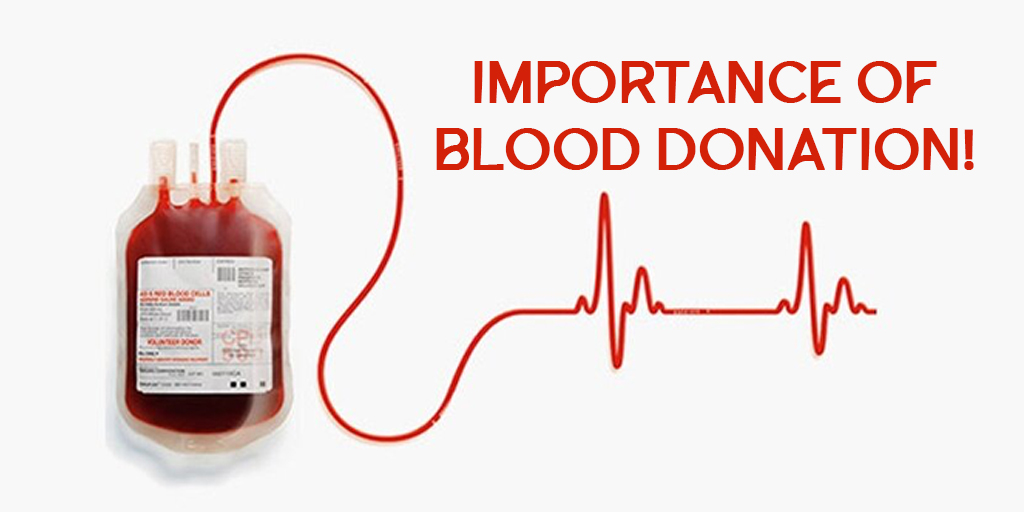
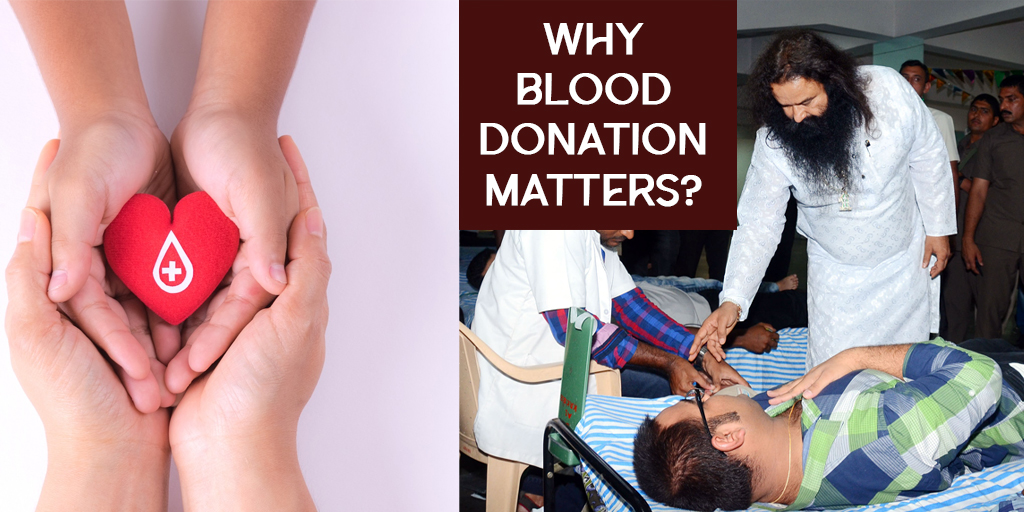
Blood donation is the act of giving whole blood, which is later transfused to patients to save their lives in emergencies. A blood donation camp was organised on October 10, 2010, by Saint Dr Gurmeet Ram Rahim Singh Ji Insan. On that date, about 17,921 donors were part of this camp. The blood donated by these volunteers helped save patients’ lives.
Why Blood Donation Matters:
Modern healthcare depends on a consistent supply of safe blood.
Many patients with special needs (thalassemia, haemophilia, oncology) require regular transfusions.
Even routine surgeries can require emergency transfusions, so hospitals need reliable inventories.
Thus, the demand for blood continues to rise. Blood donation is essential to saving patients’ lives.
According to recent government reporting, India collected around 1.46 crore (14.6 million) units of blood in 2024–25, up from the previous year, but needs remain regional and seasonal.
( Source – Digital Sansad )
Myths vs Reality
Below are the most common myths, the evidence-backed reality, and the best practice.
Myth 1: “Donating blood will make me sick or cause weakness.”
Reality: The truth is that when we donate blood, it gives the body space to create new red cells. The procedure is quick and the body typically regenerates lost blood cells within 24–48 hours. Thus, becoming a donor does not make you weak; the body restores itself quickly.
Myth 2: “Donating blood spreads infections.”
Reality: No, blood donation does not spread infections. It uses sterile, single-use kits, so there’s no risk of acquiring infections from the donation process.
Myth 3: “Only young people can donate.”
Reality: No, it’s not true. The usual age eligibility for blood donation is 18-65 years (can vary by organisation). Donors must meet basic health criteria, such as overall fitness and haemoglobin levels.
Myth 4: “No importance of voluntary donation; only replacement/family donors are needed”
Reality: Voluntary donors are the backbone of a safe blood supply. Blood supply cannot rely solely on replacement or family donors. Voluntary donors are generally more likely to donate repeatedly and have lower rates of transfusion-transmitted infections.
Top 5 Blood Donation Organisations in India
Below is a focused list of blood donation organisations in India. These organisations have different structures and rules, but they have played a vital role in maintaining a strong ecosystem for blood donation camps. They drive donors and spread awareness of donation. Let’s take a ride through these organisations to learn about their ecosystem.
1) Indian Red Cross Society (IRCS)
IRCS operates blood centres, runs voluntary blood donation camps, provides blood banking services, disaster response, and community health programs. The Indian Red Cross Society has a network of over 1100 branches in India, providing humanitarian services. Their blood services highlight voluntary donation and free distribution of blood to vulnerable patients.
Annual Blood Collection Data at IRCS:
IRCS’s NHQ Blood Centre (New Delhi) reports yearly collections for specific years. Below are key data highlights of IRCS blood collections:
Year Total Units Collected Voluntary Donation% No. of Camps
2019–20 26,044 units ~100% ~365 camps
2020–21 23,633 units ~100% ~360 camps
2021–22 22,362 units ~100% ~362 camps
2022–23 23,065 units ~100% ~366 camps
2023–24 21,344 units ~100% ~368 camps
These blood collection figures originated from the IRCS National Headquarters (NHQ) Blood Centre, New Delhi.
Voluntary donations account for nearly 100% of total collections, ensuring a consistent blood supply.
2) Rotary Blood Bank (Rotary Central-TTK / Rotary Blood Bank network)
The Rotary Blood Bank was set up in 2002 and operates multiple blood centres. They organise blood collection drives, operate licensed blood bank facilities, and supply hospitals.
Some branches (e.g., Rotary Central-TTK-VHS Blood Bank in Chennai) publish annual figures showing thousands of units collected via organised camps. The central facility in New Delhi is described as one of the country’s largest, with modern capacity and extensive camp programmes.
Annual Blood Collection Data of Rotary Blood Bank:
Centre Units Collected (Year) No. of Camps
Rotary Central-TTK-VHS ~14,846 units ~167 camps Blood Bank
The ~14,846 blood units represent the total annual collection by the Rotary Central–TTK–VHS Blood Bank.
The centre organised approximately 167 voluntary donor camps that year, reflecting community mobilisation.
3) Dera Sacha Sauda (DSS)
Dera Sacha Sauda is a social and religious organisation led by the Saint Gurmeet Ram Rahim Singh Ji Insan. This organisation has organised massive blood donation camps and drives, mobilised volunteers across India, and even from abroad.
Notable Blood Donation Achievements:
Year/ Event Blood Units Collected Details
7 Dec 2003 15,432 units One of their early record-setting drives
10 Oct 2004 -Mega Blood Donation Camp 17,921 Donors Broke the previous record
8 Aug 2010 43,732 units Reported Guinness World Record achievement
2003-2023 986,221 units Reported total from 2003 to October 30, 2023
13 Jun 2024 (drive) 7,980 units Recently published camp figure
The first camp was held in 2003, during which a total of 15,432 blood units were collected, and it set the stage for future blood donation campaigns.
This 2004 mega camp is widely referenced as one of India’s largest mobilised community blood donation events. In this camp, 17,921 volunteers participated, representing multiple regions.
DSS promotes blood donation as a part of its “True Blood Pump” humanitarian campaigns and encourages large-scale volunteer participation.
4) Sankalp India Foundation
Sankalp India Foundation focuses on promoting 100% mobilised volunteers. They concentrate on improving blood-banking systems and running thalassemia-care networks. SIF includes awareness campaigns, school/college programs, and supply-chain interventions to enhance the availability of safe blood.
Key Highlights of Blood Donation
Year Activity/Metric Value
2024–25 Total blood units collected via drives 17,369 units
2024–25 Total units collected by Sankalp Blood Centre 12,265 units
2024–25 % of units issued went to thalassemia patients ~72.7%
The data for 2024-25 is clearly stated in the report: 17,369 units collected, 12,265 via the Sankalp Blood Centre.
SIF’s core focus is achieving 100% voluntary blood donation, making it one of India’s most systems-oriented NGOs in the blood-services ecosystem.
5) BloodConnect (BloodConnect Foundation)
BloodConnect Foundation is a youth-run initiative started by students and alumni (IIT/college networks) in April 2010. They organise campus and corporate drives, run helplines, and conduct donor engagement programmes to shift occasional donors into regular donors.
Metric Reported Value
Total blood units collected (cumulative) 128500+ units
Number of camps organised 1,446 camps
Lives saved (estimated) 385500+ lives
The total blood units collected by BloodConnect are approximately 128,500+. This represents the milestone collection of blood units. They have saved the lives of over 385,500 patients, demonstrating the huge impact of young-led initiatives.
BloodConnect has conducted 1446 blood donation camps, primarily at colleges, universities, corporates, and community hubs, making it India’s largest youth-led blood donation network.
How These Organisations Complement Government Efforts
Government programmes (state health departments, DGHS, NACO) regulate licensing, testing standards, and oversight, while NGOs, religious bodies, and volunteer groups provide outreach, care, and donor management. Combined efforts enable:
Large-scale drives (to boost inventories in special campaigns).
Sustained voluntary recruitment (through colleges, corporates, and community groups).
Better supply chains and patient matching via helplines and digital registries (projects like Project Disha).
Practical Guidance: Donor Eligibility, Process, and Tips
Who can donate? (typical criteria)
Age: usually 18–65 years (may vary slightly)
Weight: typically above 50 kg
Haemoglobin: minimum level is:
12.5 g/dL for women
13 g/dL for men
Note: You should not have a major chronic illness.
Donation process
Registration & ID check: Basic info and consent.
Medical screening: You will answer a few short health questions and a haemoglobin check.
Donation: 350–450 ml of whole blood; which takes 8–12 minutes to collect.
Post-donation: rest, refreshments, and advice on avoiding heavy exertion for 24 hours.
Tips for first-time donors
Eat iron-rich meals in the days leading up to donation.
Stay hydrated and have a light meal before donation.
Bring a photo ID.
Ask the organising blood bank about testing and how the blood will be used (component separation, local hospital supply, etc.).
Conclusion
Blood donation is safe, simple, and deeply impactful. India’s landscape of blood donation organisations, from the Indian Red Cross Society’s national blood services to youth-led BloodConnect, system-focused Sankalp, Rotary blood-centre networks, and community mass drives like Dera Sacha Sauda, presents a powerful mixed ecosystem.
Together, they help reduce shortages, but the critical missing link is turning willing individuals into regular voluntary donors. Donate blood, and become a saviour in someone’s life. Donate regularly, and you become someone’s hope, someone’s miracle.
FAQ:
Q. Is donating blood safe?
A. Yes—blood donation uses sterile single-use kits and is safe for eligible donors.
Q. How often can I donate?
A. Whole blood donors can generally donate every 3–4 months (follow local guidelines).
Q. Who is eligible to donate?
A. Usually ages 18–65, weight >50 kg, and meeting basic health & haemoglobin criteria.
Q. What should I eat before donating?
A. Eat iron-rich food, hydrate well, and have a light meal prior to donation.
Q. How is donated blood used?
A. It’s used for emergencies, surgeries, cancer care, thalassemia, and stored as components.
Author: Andaz Arora