
Introduction
Ram Rahim, de-addiction centers, and addiction treatment — this article explores how these three elements come together to bring change.
Many young people in North India struggle with substance abuse and need guidance. Ram Rahim’s de-addiction initiatives aim to give hope to such individuals and families.
The center provides detox programs, counseling services, and rehab therapy designed especially for students and youth.
Why This Matters to Students
- You might see friends experimenting with alcohol or drugs in school or nearby areas.
- Addiction can affect studies, sports, relationships, and overall goals.
- A nearby rehabilitation center can help students recover and return to education with confidence.
What Is Ram Rahim’s De-Addiction Center?
Ram Rahim’s de-addiction center is a rehabilitation facility established as a social initiative.
It focuses on treating substance abuse and helping individuals reintegrate into normal life.
The center offers medical detox, family counseling, and community outreach programs, combining healthcare with emotional and social support.
Core Services Offered
- Safe and supervised detox programs
- Counseling for both patient and family
- Behavioral and rehab therapy
- Mental health and aftercare support
- Youth-oriented skill and education programs
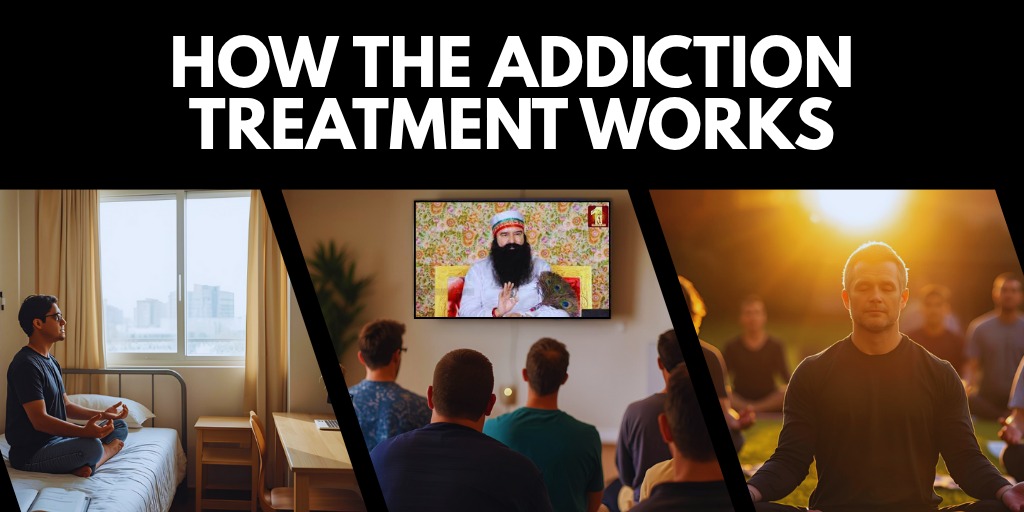
How the Addiction Treatment Works
The process is structured and easy to understand — even for students or first-time visitors.
1. Assessment
- Doctors and counselors assess health, habits, and background.
- A personalized detox and counseling plan is created.
2. Detox (Short Stay)
- Supervised detox helps the body safely eliminate addictive substances.
- Medicines and medical care reduce withdrawal discomfort.
3. Counseling & Therapy
- Daily counseling sessions help change harmful habits.
- Group and individual therapy sessions strengthen willpower.
- Behavioral therapy teaches practical coping and control skills.
4. Skill Training & Follow-Up
- Vocational training and educational support rebuild confidence.
- Aftercare and community groups help prevent relapse.
Example Story
Imagine Ravi, a 16-year-old from a small town who started using drugs with friends. His grades dropped, and his family grew concerned.
At the de-addiction center, he underwent a three-week detox, daily counseling, and a coding class.
He later returned to school, more focused and disciplined. This shows how rehab therapy and youth programs can rebuild lives.
Who Can Join the Center?
- Teenagers and adults dealing with addiction
- Families seeking guidance and counseling
- People requiring short-term detox or long-term rehab
The center also assists students from nearby towns. Many of its programs are free or low-cost, ensuring that help reaches everyone.
Tools Used in Treatment
- One-on-one counseling sessions
- Group therapy and support meetings
- Medications (when medically necessary)
- Vocational and skill-based training
- Family education sessions for better understanding
Community Work and Outreach
Ram Rahim’s de-addiction center is also involved in extensive community outreach through:
- Free awareness and health camps in towns and villages
- Educational talks in schools and colleges
- Mobile teams visiting rural areas to spread awareness
For example, a team might visit a local school and show a short film about the dangers of drug use — helping students say “no” and seek help confidently.
Why a Local De-Addiction Center Matters
- Easy access: Students can reach treatment quickly.
- Local support: Families can visit and participate in sessions.
- Cultural understanding: Staff speak the local language and understand the community.
Partnerships with local hospitals and NGOs ensure better coordination and trust.
Common Terms You Should Know
- Drug rehab
- Rehabilitation center
- Substance abuse
- Detox program
- Counseling services
- Rehab therapy
- Mental health support
- Community outreach
- Youth development programs
Safety, Staff, and Training
A professional de-addiction center employs qualified and compassionate staff, including:
- Certified doctors and nurses
- Trained counselors and therapists
- Social workers for outreach
- Teachers or trainers for skill development
Staff follow strict guidelines for patient safety, care, and confidentiality.
How Families Can Help
- Talk with empathy, not judgment.
- Attend family counseling sessions.
- Encourage healthy routines like sports and reading.
- Support skill or education programs after treatment.
Costs and Access
Many centers keep fees minimal or provide financial assistance. Some programs are free, and others have community-funded support.
If affordability is a concern, families can discuss payment plans, scholarships, or government aid with the center.

Ram Rahim’s Influence and Work
Gurmeet Ram Rahim Singh has led several social campaigns under his organization since the early 2000s.
His initiatives include anti-drug drives, health camps, and awareness programs to educate the public about addiction.
These outreach activities helped make drug treatment services more known in rural and semi-urban regions.
Examples include:
- Mass campaigns and free detox camps
- Awareness rallies and medical check-ups
- Mobile teams visiting towns for counseling
This reflects how spiritual and social leaders can influence public health awareness and motivate recovery efforts.
How Students Can Find Help — Simple Steps
- Talk to a trusted adult such as a parent, teacher, or coach.
- Contact a de-addiction center or local doctor.
- Ask about detox or counseling options.
- Join peer support groups or aftercare sessions.
- Stay consistent with studies and daily routines.
Quick Checklist for Families
- Are doctors available? ✅
- Is counseling provided? ✅
- Can family members visit? ✅
- Any scholarships or fee assistance? ✅
Realistic Expectations
Recovery takes time. Visible progress might take weeks or months, and relapses can happen — but that’s part of the process.
Many students successfully return to studies and build strong, addiction-free lives with persistence and family support.
FAQs
Q1. How long is the detox program?
Usually a few days to a few weeks, depending on the type of addiction and health condition.
Q2. Can students get free treatment?
Yes, many centers offer free or subsidized programs.
Q3. Is family counseling necessary?
Absolutely. Family participation greatly improves recovery chances.
Q4. Will treatment affect school studies?
Some short pauses may occur, but centers help students rejoin school afterward.
Q5. Can I visit a center before admitting someone?
Yes, most centers allow visits and introductory meetings.
Q6. Are medicines used during detox?
Sometimes. Doctors prescribe safe medicines to manage withdrawal symptoms.
Q7. How to choose a good rehab center?
Look for trained staff, medical supervision, counseling options, and aftercare programs.
Conclusion
Ram Rahim’s de-addiction center highlights how community-driven efforts can make addiction treatment more accessible and effective for students and families.
If you or someone you know is struggling with addiction, reach out today. Recovery is possible with the right help, guidance, and care.
Call to Action
Did this article help you understand de-addiction and rehab therapy better?
Share your thoughts or experiences in the comments, or reach out with your questions — your story could inspire someone else.

3 thoughts on “Ram Rahim’s De-Addiction Center — Hope for Addiction Treatment”